
Halaman

    Social Items

Showing posts with label Haircare. Show all posts
   🍸🍸🍸🍸🍸🍸🍸🍸🍸🍸🍸🍸🍸🍸🍸    


Hello Friends,

We all love fruits and veggies. A large number of people are becoming vegetarians or vegans because it is very healthy. People care about their health and this has made them think about their lifestyle and they are attracted towards greens.

When we talk about fruits and vegetables, it's obvious that we also try to make it more tasty and healthy. We keep going through many recipes. It is very easy to incorporate fruits and veggies to your diet. Apart from eating raw and fresh or in salads, you can make smoothies and juices that are healthier and tastier way to get most of it.

Tasty and healthy fruit and veggie juice is here.
Healthy Juice Just
For You.


One important thing is that when you choose to consume fruits and veggies in the forum of juices and smoothies, be sure not to add extra sugar to it as it is not good for your health. Also, you should consume fresh juice made up of fresh fruits. Homemade are always better as they are fresh and made from hygienic methods without sugar syrup or added sugar.

You will love it.
A healthy drink with no added sugar


Today, I am bringing you an exotic juice recipe that will satisfy your taste buds and is stunningly healthy too.

This recipe contains fruits and veggie that collectively give you health power. They are known for their health benefits and in this recipe, you can get benefits of all. It is not only healthy but it is very good for your beauty too. From skin health to haircare, it will provide nutrients and antioxidants that will fight against skin problems, wrinkles and fine lines, premature aging symptoms and hair problems.

Juice good for health & beauty.


I know you are eager to know about this recipe. But, believe me it is delicious and beautiful to eyes too. Oh yes! It has health benefits for eyes too.

OK OK ! I will not take much time now.
I have tried this recipe. However, I never took it from somewhere. I just made it myself and it is very easy to make. Also you can do variations to it and add much more to it. May be you find it somewhere else too because many people like me wants to experiment and honestly, it's just about sharing.

So, he we go.....

Juice with beautiful color & amazing ingredients.


 INGREDIENTS :- 

1). 2 Pomegranates medium sized

2). Some black grapes  (5-6)

3). 1 Carrot

4). 1 Apple

Juice with the goodness of pomegranate & apple.


  RECIPE :- 

1). Take all the fruits and carrot. Wash well.

2). Peel the pomegranates and take out the seeds.

3). Cut carrot and apple into chunks. Throw the apple seeds away.

4). Blend all the fruits and veggies into a blender including black grapes by adding a little water.

5). Strain the juice. You can add black salt and black pepper to it. 

And your delicious,  exotic and healthy juice is ready. This juice contains goodness of pomegranates, apple, black grapes and carrot.
Exotic,delicious & healthy juice recipe.


VARIATIONS -

1). You can also add guava to it. Throw away the seed part.

2). You can add spinach or banana or berries to it. You can also add mint to it. Beetroot is another option here to add.

You can add Beetroot to this juice.


3). You can drink it chilled by adding ice to it in summers.

4). You can add or skip the fruits the way you like. I had already mentioned fruits that you can add.

5). You can add some lemon juice too.

Add lemon juice if you like.


IMPORTANT NOTES -

1). Always take fresh fruits and carrot.

2). Do not add sugar as it is already sweet in taste depending on the fruits added. It contains natural sugar from fruits.

Do not add sugar to this juice.


3). If you are diabetic,  you are advised to not drink this juice.

4). If you are allergic to any of the fruit or carrot, do not consume it.

5). Always consult your doctor before consuming it especially if you have any health condition.

6). Drink it fresh.


Hope you liked it. I will be coming here with more recipes. Keep visiting..keep reading.  Follow and subscribe blog for more. Take care !


                     A Post By Admin.

Author - Swatti Sharrma ß


   🍸🍸🍸🍸🍸🍸🍸🍸🍸🍸🍸🍸🍸🍸🍸    
                                                                           

Disclaimer :- This blog is not intended to any prescription or medical advice. It is for general info only. Always consult your doctor before using or applying on anything. Keep an eye on the ingredients to which you are allergic. Be cautious if you have any specific health condition or you are under medication. Consult your doctor first. Use info on your own wisdom.


©SimplyBeautifulß 
Swatti Sharrma ß

Tasty and exotic drink for your health..try out this recipe.

      *****************************     
                                                                   

Hey there !

Hope you are enjoying this festive season with Christmas on the hand followed by New Year celebrations.


It's December and winters are chilling all of us. Apart from celebrations and cheering winter, there are varieties of seasonal veggies and fruits that you can enjoy. They are not only healthy but they are good for your taste buds too.

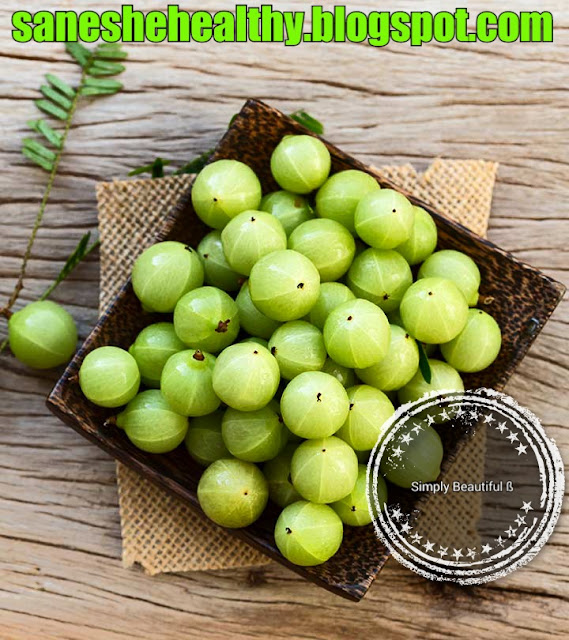
Indian gooseberry is good for health.


Health Benefits Of Indian Gooseberry Or Amla.


       ●●●●●●●●●●●●●●●●●●●●●●●●●●●●●●     
     》》》》》》》》》》》 《《《》》》》》  

Hello ladies !!!

In the recent times, we have seen revolution in skincare products, makeup and beauty products. Yes, revolution as now every other product  is containing  Aloe Vera  . From some years, there is so much increase in the use of Aloe Vera whether it is beauty creams , body lotions or kajals. Every there and now product claims to  contain Aloe Vera. In the recent past years, people have came to know about it's benefits.Thanks to Internet and media. Beauty products and cosmetics manufacturing companies are adding  Aloe Vera to their products or they are releasing brands with aloe vera specially.


  Aloe Vera  is a succulent plant. It stores water in its leaves, which are thick and fleshy. It doesn't need too much watering or irrigation due this property and can survive for many days without irrigation. This also makes it highly beneficial. Aloe vera is very common today and can be easily grown at houses. Even I have aloe vera in my garden and i use fresh aloe vera whenever i need. When there is slight burn while cooking in kitchen, you can apply fresh aloe vera or if you oil or water getting spillover,  you can apply it. If you have acne you can use aloevera or if you want beautiful skin and hair you can apply it. I will discuss about it's beauty benefits in my beauty blog.


Aloe vera at my home

I has planted Aloe vera at home
& it's easy to grow it at home

As I have Aloe vera at my home
I can use it anytime when I
need it.

When you have Aloe vera at home
You can get it's purest form.
So, I find it suitable to plant it at my home.


Aloe vera is very effective and has been termed as medicinal plant too. It has been used in ayurveda from many years. The leaves produce two substances. First, the gel, which is more or less water with several other nutrients mixed in, and the second is sap, which is also known as aloe latex.
Aloe latex comes from just under the plant’s skin and is yellow in color. Some aloe products are made from the whole crushed leaf, so they contain both gel and latex.

The ‘plant of immortality’, as it was called by Egyptians, also known as ‘Ghritkumari’ in Hindi, ‘Kalabanda’ in Telugu, ‘Katralai’ in Tamil, ‘Kumari’ in Malayalam, ‘Lolisara’ in Kannada, ‘Koraphada’ in Marathi, and ‘Ghrtakumari’ in Bengali can perform miracles not just for your skin, but for your hair and health as well.

   An Introduction To Aloe Vera :- 

Aloe vera (/ˈæloʊiː/ or /ˈæloʊ/) is a plant species of the genus Aloe. It grows wild in tropical climates around the world and is cultivated for agricultural and medicinal uses. Aloe is also used for decorative purposes and grows successfully indoors as a potted plant.
Fresh aloe vera leaves cut
by me from my garden
Aloe vera from my garden

Scientific classification :

Kingdom: Plantae
Clade: Angiosperms
Clade: Monocots
Order: Asparagales
Family: Asphodelaceae
Subfamily: Asphodeloideae
Genus: Aloe
Species: A. vera
Binomial name
Aloe vera
(L.) Burm.f.
Synonyms
Aloe barbadensis Mill.
Aloe barbadensis var. chinensis Haw.
Aloe chinensis (Haw.) Baker
Aloe elongata Murray
Aloe flava Pers.
Aloe indica Royle etc.

Aloe vera -

It is found in many consumer products including beverages, skin lotion, cosmetics, or ointments for minor burns and sunburns. There is little scientific evidence of the effectiveness or safety of Aloe vera extracts for either cosmetic or medicinal purposes. Studies finding positive evidence are frequently contradicted by other studies.
Side-Effects Of Aloe Vera - You must know about it !


Some more common names of Aloe vera  are Lily of the Desert, Burn Plant, and Elephant’s Gall. It belongs to the family of succulent plants in the genus ‘Aloe’. Aloe vera is one of approximately 420 species of the genus Aloe; the botanical name of aloe vera is Aloe barbadensis miller, and it belongs to the Liliaceae family. It’s a perennial, xerophytic, succulent plant that’s green and has triangular, fleshy leaves with serrated edges. The geographic origin of aloe vera is believed to be in Sudan, and it was later introduced in the Mediterranean region and most other warm areas of the world, including Africa, Asia, India, Europe and America. It  has been used for more than 6,000 years.

The great properties and uses of this plant have been recognized by many civilizations, including the Egyptians, Spanish, Persians, Greek, Italians, Africans, Japanese and Indians. It grows best in warm, dry climates and is densely found in India, Africa, and other arid zones. This species has a wide usage in herbal medicines. The aloe vera plant has compounds such as mannans, polysaccharides, lectins, and anthraquinones that are extremely beneficial for human health.

Aloe Vera plant is often a stemless or sometimes very short-stemmed juicy plant that grows 60–100 cm (24–39 in) height and the offsets spread out wide. The leaves of this plant are thick and fleshy and the color varies from green to grey-green. Some varieties of this plant have white flecks on the upper and lower portions of the stem surfaces. The margin of the leaves is like saw-tooth and the flowers bloom during the summer. This plant can be easily grown both, indoors and outdoors.


  Nutritional Facts :- 

Aloe vera is considered to be the most biologically active of the Aloe  species; astonishingly, more than 75 potentially active components have been identified in the plant, including vitamins, minerals, saccharides, amino acids, anthraquinones, enzymes, lignin, saponins and salicylic acids. It provides 20 of the 22 human-required amino acids and eight of the eight essential amino acids.
Aloe vera contains many vitamins and minerals vital for proper growth and function of all the body’s systems. Here’s an easy explanation of aloe vera’s active components:
Aloe vera contains antioxidant vitamins A, C and E — plus vitamin B12, folic acid and choline.
It contains eight enzymes, including aliiase, alkaline phosphatase, amylase, bradykinase, carboxypeptidase, catalase, cellulase, lipase and peroxidase.
Minerals such as calcium, copper, selenium, chromium, manganese, magnesium, potassium, sodium and zinc are present in aloe vera.
It provides 12 anthraquinones — or compounds known as laxatives. Among these are aloin and emodin, which act as analgesics, antibacterials and antivirals.
Four fatty acids are present, including cholesterol, campesterol, beta-sisosterol and lupeol — all providing anti-inflammatory results.
The hormones called auxins and gibberellins are present; they help with healing wounds and have anti-inflammatory properties.
Aloe vera provides sugars, such as monosaccharides (glucose and fructose) and polysaccharides.
Now , let's have a look how aloe vera is beneficial for us.

Aloe vera can be consumed in the form of juice or you can eat small amount of freshly cut aloe vera without it in the morning empty stomach.


How to use Aloe Vera leaf ???

Cut the leaf. Then put it aside on a plate so that the yellow liquid coming out from it is eliminated of it's own. When you notice that yellow liquid has come out then wash the leaf thoroughly.  Now, you can cut both the side of edges and then use the gel. You can also tear the leaf roughly and scratch the gel part. You will see gel start coming out of it naturally. Now, you can use it as per your need.
Always remember that it should be consumed in a appropriate amount. Excess can be harmful. We will discuss side effects of aloe vera later.

  HEALTH BENEFITS OF ALOE VERA 

1). It Improves Digestion :-

The Aloe vera juice can serve as laxative that can help in digestion. It encourages gut bacteria and regulates bowel movements. It has also been found to soothe and cure stomach ulcers.
Aloe vera juice is functional in cleansing the digestive tract.


It is important for the treatment of irritable bowel syndrome . IBS is the result of formation of toxins in gastrointestinal tract. The juice or the solid part when consumed also stimulates the production of bile in the gallbladder. This results in breaking down of  the fats in the body that can otherwise get accumulated and cause constipation.
Iranian study suggests aloe vera juice can reduce abdominal pain and flatulence in patients suffering from IBS. However, more research is still required.

According to an Indian study, aloe vera is extensively used in the treatment of peptic ulcers. It exhibits antibacterial properties against H. pylori, the bacteria responsible for gastric infections.
Other Indian study suggests that the use of aloe vera for digestive ailments has no adverse effects. But a major portion of this research is based on personal experiences. Hence, more study is needed to account on this scientifically.
Though the juice can have an anti-inflammatory effect on people suffering from ulcerative colitis.
Aloe vera contains several enzymes known to help in the breakdown of sugars and fats and to keep your digestion running smoothly..
More research required.

2). Constipation :- 

As already mentioned above, due to laxative properties of Aloe vera, it can help in getting rid of constipation. Excess of it can lead to diarrhoea too.
Aloe vera juice can increase the water content in your intestines. Research has shown the relationship between increasing the intestinal water content and the stimulation of peristalsis, which helps you pass stool normally.


If you’re suffering from constipation or have problems with frequent constipation, try incorporating aloe vera juice into your daily routine. Aloe also helps normalize the healthy bacteria in your gut, keeping your healthy intestinal flora balanced.

3). Liver Functioning :-

Healthy liver function is very important to be fit. Detoxification of liver is required for it's normal functioning. Aloe vera juice can help in maintaining health of your liver. Aloe vera juice is good for the liver because of it’s hydrating properties It is also rich in phytonutrients which makes it good for liver.

4). Reduces Inflammation :-

Aloe vera has anti-inflammatory which can help treat irritable bowel syndrome. According to a Mexican study, the anti-inflammatory agents in aloe vera can also treat edema. Decolorized aloe was also found to reduce skin inflammation, especially when used by specialists or physicians.


A German study told that the anti-inflammatory properties of aloe vera are beneficial on the skin. The gel (and potentially the juice too) had reduced UV-induced erythema.
Aloe vera can be helpful in reducing internal inflammation, but also the pain associated with it.

5). In Diabetes :-

A hormone called gibberellin is present in aloe vera. It can fight inflammation in individuals with diabetes.
According to a study which was conducted on diabetic animals. With aloe vera ingestion, they were able to fight inflammation better.
Some evidence in humans and animals suggests that aloe vera is able to alleviate the chronic hyperglycemia and perturbed lipid profile that are common among people with diabetes and are major risk factors for cardiovascular complications. This add natural diabetes cure to the list of aloe vera benefits.


In two related clinical trials, 72 diabetic women without drug therapy were administered one tablespoon of aloe vera gel or a placebo for six weeks. Blood glucose and serum triglyceride levels were significantly decreased with aloe vera treatment. In the second trial, the effects of aloe vera gel or placebo in combination with glibenclamide, a commonly prescribed antidiabetic medication, were investigated; this, too, resulted in significant reductions in blood glucose and serum triglyceride concentrations in the aloe vera group.

6). Boosts The Immune System :-

The enzymes present in aloe vera can break down the proteins that we eat into amino acids and turn the enzymes into fuel for every cell in the body, which enables the cells to function properly. To fight against infections, you must have a stronh immune system. The bradykinase in aloe vera stimulates the immune system and kills infections. Aloe vera also contains Zinc which makes it a great source to overcome zinc deficiency. Zinc is essential to maintain immune function.
Aloe vera help us keeping ourselves away from disease and in killing bacteria. It can protect the functioning of our cell membranes.

7).  Treat Heartburn And Acid Reflux :-

Aloe vera juice has been used in the treatment of gastroesophageal reflux disease (GERD). GERD causes symptoms such as heartburn, chest pain, and trouble with swallowing, and aloe juice is an effective cure.
As you have already studied above,
Aloe vera has anti-inflammatory properties. Due to this property, it helps in soothing the stomach lining and the esophagus. It also helps fight against pathogens that cause gastrointestinal problems.


8). Reduces Arthritis Pain :-

Aloe Vera is said to have amazing anti-inflammatory properties that work instantly on the pain and swelling resulting from arthritis. Its juice is effective in treating the swelling and inflammation that are caused due to arthritis. Either topical application on swelling or drinking aloe vera juice both show positive results in curing arthritis pain.

9). Relieves Joint And Muscle Pain :-

Here also anti-inflammatory properties of aloe vera are effective on joint and muscle pains. It can be applied topically which can ease the inflammation of the joints. Aloe juice can also be consumed to reduce inflammation throughout the body. This revitalizes your body. In some reports, it has been said that people who regularly consume aloe vera juice for at least two weeks experience a significant improvement in inflammation issues.

Aloe can immensely benefit people with joint pains. According to one study, aloe vera can be used in the treatment of chronic non-cancer pain, and particularly, one that is caused by osteoarthritis. But still, more studies are required to support this.
Due to its anti-inflammatory properties, the juice can provide relief from joint immobility. The aloe vera juice (and the gel) acts as an effective base to prepare a compound called nimesulide emulgel, which possesses significant anti-inflammatory properties and could be used to treat rheumatoid arthritis.

10). Antioxidant Rich :-

Aloe vera is loaded with vitamins and minerals that help reduce inflammation and fight free radical damage.
Vitamin A plays a critical role in maintaining healthy vision, neurological function and healthy skin This is achieved due to it's antioxidant nature. Antioxidant reduces inflammation. Vitamin C is also present in aloe vera. Vitamin C is functional in protecting the body from cardiovascular disease, prenatal health problems, eye disease and even skin wrinkling. Vitamin E which is  beneficial for skin is also a powerful antioxidant. It reduces free radical damage, fights inflammation and helps naturally slow the aging of cells.


These antioxidant properties are also helpful when you’re exposed to cigarette smoke or UV rays from sunlight. Antioxidant protects the skin from skin cancer and fights skin inflammation after exposure to the sun.

11). Fighting Acne And Pimple :-

Aloe vera can treat acne and eczema since it helps the healing process in the skin. Bradykinase is present in aloe vera which helps in reducing excessive inflammation when applied to the skin topically.


12). Delays The Aging :-

Aloe vera is used nowadays as a primary component in many skin products that help in retaining youthfulness through healthier skin. It is claimed that Aloe vera in a cream enhances its function in reducing wrinkles and it serves as a skin rejuvenator. The anti-aging properties of Aloe vera works when applied to the skin or consumed keeps the skin fresh, supple, wrinkle-free and bright. The properties of aloe vera make it penetrate quickly within the various layers of the skin, even down to the muscles of the body

13). Treat Dermatitis :-

Aloe vera has been used for skin problems from ancient times. Fresh and pure aloe vera gel is the best natural remedy for skin abrasions and it also helps to diminish the symptoms of aging skin conditions.  If you have its plant in your home like me, you can simply tear a small part of the leaf, take the gel and apply it in raw form on your face as I do and had mentioned earlier in this article. Drinking its juice also enhances skin health, as the properties of the plant work internally. It also helps in curing stings, rashes, acne, and psoriasis.


14).  Heals External Wounds And Insect Bites:-

Aloe vera has anti-inflammatory properties which makes it effective against wounds and insect bites.
You can apply Aloe vera gel as a topical treatment for small cuts, bruises, and insect bites. It can also be used as an aftershave lotion to soothe irritated skin.

15). Helps In Weight Loss :-

Aloe juice can help in weight loss. It may be due to its anti-inflammatory properties. Inflammation is linked to weight gain and metabolic issues, and aloe vera juice can help in weight loss.
Aloe vera juice contains aloin, which is a potent laxative. It also helps in weight loss. However, more research to be required on this.

An animal study revealed that aloe vera contains potent sterols which can improve body composition. Obese rats fed with these sterols had lower levels of body fat after 35 days. A similar effect is possible in humans as well.
According to a Japanese study, ingestion of aloe vera can protect from diet-induced obesity. It is achieved by stimulating energy expenditure and reducing the accumulation of body fat.

Aloe vera also had beneficial effects on obese individuals with prediabetes or diabetes as we have already discussed above.


These are the 15 health benefits of Aloe Vera. To know more about it's health benefits, visit next article of this blog.


                         A Blog By Admin.

Author ~ Swatti Sharrma ß


       ●●●●●●●●●●●●●●●●●●●●●●●●●●●●●●     
     》》》》》》》》》》》 《《《》》》》》  


Disclaimer - This blog is not intended to any advice or prescription.Always keep an eye on allergies you have.Keep check on your health conditions and allergies.Always do a patch test or allergy test before using any product or tip.Consult doctor and dermatologist if needed.Results may vary person to person and it depends on your skin type and health condition.Use any tip or products on your own wisdom with precaution. Always consume any product or ingredient after consulting your Doctor.

©SimplyBeautifulß

Swatti Sharrma ß


15 Health Benefits Of Aloe Vera.

                                                                                     
Believed to have originated in South Africa, the watermelon is available in diverse varieties – sweet, bland, and bitter. By the 7th century, watermelons were being cultivated in India. The fruit reached China by the 10th century, and today, the country is the largest watermelon producer in the world.

Benefits of watermelon -


This juicy fruit that we so lovingly devour in summers is loaded with nutrients. It is rich in potassium and vitamins A, C, and B. But what makes the watermelon fruit a must-have is lycopene, the antioxidant that renders the fruit its deep red color.
Antioxidants help prevent damage, and cancer. Amino acids are the basic building block for protein, and protein is used in virtually every vital function in the body.
Beauty benefits of watermelon.🍉


Scientists have taken notice of watermelon's high lycopene levels — about 15 to 20 milligrams per 2-cup serving, according to the National Watermelon Promotion Board — some of the highest levels of any type of fresh produce. Lycopene is a phytonutrient, which is a naturally occurring compound in fruits and vegetables that reacts with the human body to trigger healthy reactions. It is also the red pigment that gives watermelons, tomatoes, red grapefruits and guavas their color.

Lycopene has been linked with heart health, bone health and prostate cancer prevention. It's also a powerful antioxidant thought to have anti-inflammatory properties, according to Victoria Jarzabkowski, a nutritionist with the Fitness Institute of Texas at The University of Texas at Austin.
To really maximize your lycopene intake, let your watermelon fully ripen. The redder your watermelon gets, the higher the concentration of lycopene becomes. Beta-carotene and phenolic antioxidant content also increase as the watermelon ripens. "Beta carotene is an antioxidant found in red-orange fruits and vegetables. It helps with immunity, skin, eye and the prevention of cancer," said Lemond.

A 2011 study in the Journal of Food Composition and Analysis that investigated five types of watermelon at four stages of ripening found that unripe watermelon with primarily white flesh has nearly zero beta-carotene. By the time it is fully red, the fruit has become an excellent source of the phytonutrient.
That doesn't mean the red parts are the only good ones. "All parts of the watermelon are good. There are a lot of nutrients throughout," said Jarzabkowski. This includes the white flesh nearest the rind, which contains more of the amino acid citrulline than the flesh, according to a 2005 study in the Journal of Chromatography.

 Citrulline is a valuable amino acid that converts to the amino acid arginine. These amino acids promote blood flow, leading to cardiovascular health, improved circulation, and according to research at Texas A&M University, erectile dysfunction improvement.
Recent studies have found that watermelon seeds are also wonderfully nutritious, especially if they are sprouted and shelled. They are high in protein, magnesium, vitamin B and good fats, according to an analysis by the International Journal of Nutrition and Food Sciences. For more on watermelon seeds, visit here.


Numerous studies have supported the beneficial effects of lycopene. The antioxidant is known to reduce the risk of stroke and also lower the blood pressure levels.
It may not have as much fiber as other fruits, but watermelon calories content and fat content is low and contains a lot of water. This was about the importance of watermelon fruit, now have a look at watermelon nutritional benefits.

Watermelon Nutritional Value

Watermelon (Citrullus lanatus), fresh
Nutritional Value per 100 g
(Source: USDA National Nutrient data base)
PRINCIPLE NUTRIENT VALUE PERCENTAGE OF RDA
Energy 30 Kcal 1.5%
Carbohydrates 7.6 g 6%
Protein 0.6 g 1%
Total Fat 0.15 g 0.5%
Cholesterol 0 mg 0%
Dietary Fiber 0.4 g 1%
VITAMINS
Folates 3 µg 1%
Niacin 0.178 mg 1%
Pantothenic acid 0.221 mg 4.5%
Pyridoxine 0.045 mg 3.5%
Thiamin 0.033 mg 3%
Vitamin A 569 IU 19%
Vitamin C 8.1 mg 13.5%
Vitamin E 0.05 mg 0.5%
Vitamin B6 0.1 mg 3%
ELECTROLYTES
Sodium 1 mg 0%
Potassium 112 mg 2.5%
MINERALS
Calcium 7 mg 0.7%
Copper 42 µg 4.5%
Iron 0.24 mg 3%
Magnesium 10 mg 2.5%
Manganese 0.038 mg 1.5%
Zinc 0.10 mg 1%
PHYTO-NUTRIENTS
Carotene-alpha 303 µg —
Crypto-xanthin-beta 78 µg —
Lutein-zeaxanthin 8 µg —
Lycopene 4532 µg —
Citrulline 250 mg
Calories

Watermelon is quite low in calories. A single serving of watermelon contains just about 46 calories.

Here are the nutrition facts for the watermelon, according to the U.S. Food and Drug Administration, which regulates food labeling through the National Labeling and Education Act:

Nutrition facts

Serving size: 2 cups diced (10 oz / 280 g)
Calories: 80 (Calories from Fat 0)
Amount per serving (and %DV*)
*Percent Daily Values (%DV) are based on a 2,000 calorie diet.
Total Fat: 0g (0%)
Total Carbohydrate: 21g (7%)
Dietary Fiber: 1g (4%)
Sugars: 20g
Cholesterol: 0mg (0%)
Sodium: 0mg (0%)
Potassium: 270mg (8%)
Protein: 1g
Vitamin A: (30%)
Vitamin C: (25%)
Calcium: (2%)
Iron: (4%)
Vitamins

Health benefits of WATERMELON 😊